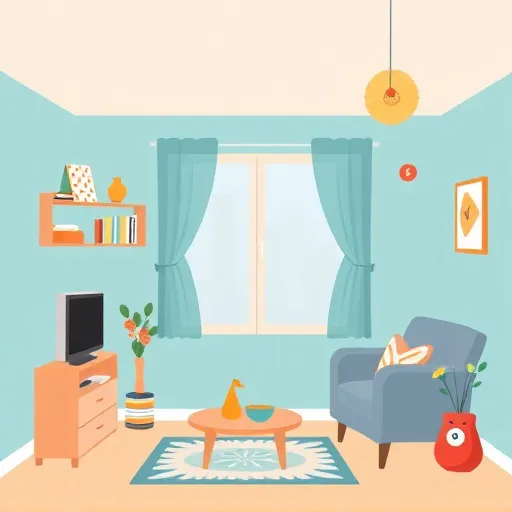
Small apartment feng
Why Feng Shui Matters More Than Ever for Compact Living in 2026
If you've been wondering how to feng shui a small apartment in 2026, you're not alone — and the timing couldn't be better. Industry pros have been noticing something big: as remote work keeps blurring the line between living and working spaces, the energy quality of our apartments directly shapes our productivity, sleep, and overall well-being. A cluttered, badly arranged small apartment doesn't just look cramped — it feels draining. And that's not just anecdotal; it's about how qi circulates through a space. When you figure out how to feng shui a small apartment, you're essentially optimizing for flow: removing blockages, steering energy toward the right zones, and creating a sense of spaciousness that defies your actual square footage.
The Commanding Position Rule: Bed and Desk Placement for Better Qi Flow and Security
If you take away only one thing from learning how to feng shui a small apartment, let it be this: the commanding position is the foundation of feng shui for any space, but especially for compact ones. Simply put, it means placing your bed or desk so you have a clear view of the door from where you sit or sleep — without being directly in line with it. You want to sit diagonally from the entrance, ideally with a solid wall behind you. This one move creates a sense of security (you can see who enters, which calms subconscious anxiety), maximizes usable space by anchoring key pieces in corners, and improves energy circulation — because furniture that blocks doorways creates stagnant qi, which is a major no-no. In a studio apartment, this might mean your bed goes in the corner furthest from the door, angled slightly, while your desk faces the room instead of a blank wall. Trust me, this single change makes a massive difference when you're learning how to feng shui a small apartment.
Decluttering Techniques and the Three-Box Method for Stagnant Qi Removal
Okay, everyone talks about decluttering — but in feng shui, clutter isn't just an aesthetic issue, it's an energetic one. Stagnant piles of stuff create stagnant qi, and in a small apartment, that heavy energy has nowhere to go. Here's a realistic approach for 2026: grab three boxes or bags labeled Keep, Donate/Sell, and Relocate, and go through one zone at a time. Don't try to do your whole apartment in a day. An experienced practitioner once told me that small apartments fail not because they're small, but because they're overfilled with things that don't serve a purpose. Pay special attention to under the bed storage (it blocks the energy of rest — use soft, breathable containers if you must), entryway clutter (the front door is the "mouth of qi," so shoes and mail piles literally block energy from entering), overloaded kitchen counters (which represent financial stress), and windowsills — your eyes to the outside world. This is a core piece of how to feng shui a small apartment that people skip, and it's honestly the most transformative step.
Mirror Placement Strategies: Expanding Visual Space Without Disrupting Sleep Energy
Mirrors are probably the most powerful feng shui tool for small apartments — they literally double the visual space. But there's a right way and a wrong way when you're learning how to feng shui a small apartment. The right way: place a mirror opposite a window to reflect natural light and expand the room's energy, use one in a narrow hallway to visually widen the passage, and hang one behind a dining table to create a sense of abundance. The wrong way: never face a mirror toward your bed (it disrupts sleep energy), never point one directly at the front door (it pushes energy right back out), and skip broken or cracked mirrors entirely — they represent fragmented energy. A full-length mirror near the entryway does double duty: practical for outfit checks and bouncing light and energy through the space.
Maximizing Natural Light, Airflow, and Layered Lighting for Fresh Qi Circulation
Energy needs to move, and in small apartments, that's non-negotiable. Light and air are the primary carriers of fresh qi, so here's how how to feng shui a small apartment handles them: keep windows clean (dirty glass dims energy as much as it dims light), open them daily even for 10 minutes in the morning (stale air equals stale energy), swap heavy dark curtains for light flowing fabrics that let energy pass through, and use layered lighting — overhead lights, table lamps, and floor lamps working together to eliminate dark corners where negative energy pools. Stuck with an interior unit and limited windows? Use full-spectrum bulbs and consider a small air purifier. They aren't feng shui tools per se, but they simulate the effects of natural light and airflow — which is what you're really after.
Color Theory and the Five Elements: Choosing Wall Tones and Accent Colors Intentionally
Color is one of the fastest ways to shift the energy of a small apartment, and in feng shui it's tied to the five elements: wood, fire, earth, metal, and water. Getting the balance right matters more than picking your favorite shade. The small-apartment strategy for how to feng shui a small apartment: go with light neutral walls (whites, soft creams, pale grays) to expand visual space and create a calm foundation, add one accent wall aligned with the room's purpose — earth tones in the bedroom for grounding, soft blues or greens in the living room for calm and growth — and avoid heavy reds or blacks on all walls, since those colors feel oppressive in tight spaces. Renting and can't paint? Removable wallpaper in 2026 is remarkably good, and plenty of options come in neutral, light tones that align with feng shui color principles.
Furniture Placement and the Poison Arrow Rule: Creating Flow Over Fill in Tight Layouts
This is where small apartments either sink or thrive — and it's the make-or-break chapter of how to feng shui a small apartment. The instinct is to push furniture against every wall, but that actually makes a space feel smaller and blocks qi from circulating. Instead, float key pieces — a sofa pulled slightly off the wall creates energy flow behind it. Remember the "poison arrow" rule: avoid furniture corners pointing directly at your bed or seating areas, which is exactly why round tables often beat square ones in small spaces. Keep walkways clear — if you have to turn sideways to reach the kitchen, you've got a feng shui bottleneck. And choose multi-functional furniture like a fold-out desk or storage ottoman; it's not just practical, it reduces visual and energetic clutter. One practitioner I've spoken with likes to say: "In a small apartment, every piece of furniture should earn its place twice — once for function and once for energy."
Balancing the Five Elements Room by Room: Wood, Fire, Earth, Metal, and Water
Feng shui is fundamentally about balancing the five elements, and in a small apartment you can do this subtly. Here's the quick cheat sheet for how to feng shui a small apartment element-style: wood means plants, wooden furniture, and green accents (growth, vitality); fire means candles, red or orange accents, and fireplace imagery (passion, energy); earth means pottery, stones, and yellow or brown tones (stability, grounding); metal means metallic frames, white or gray tones, and round shapes (clarity, efficiency); water means a small fountain, mirrors, and black or blue tones (flow, wisdom). You don't need all five in every room — aim for two or three cohesive elements per space. A bedroom thrives on earth and wood (grounding plus gentle growth), while the kitchen benefits from fire and metal (cooking energy and cleanliness).
Bedroom Feng Shui Essentials: Bed Placement, Visual Dividers, and Calming Color Palettes
The bedroom is where you restore yourself, and in a small apartment it's often also your office, reading nook, and everything-else space. Challenging energy-wise, but manageable. The essentials: bed placement matters most (commanding position, solid headboard, solid wall behind), keep under-bed space clear or use only soft breathable storage, no mirrors facing the bed (cover them at night if you can't avoid it), and separate work from rest — if your desk lives in the bedroom, create a visual divider like a plant, screen, or curtain. Use calming colors: soft blues, warm neutrals, gentle greens. If your bed and desk are basically roommates, a folding screen or tall bookshelf as a room divider creates the energetic illusion of separate spaces — and genuinely helps your brain switch modes.
Bathroom and Kitchen Water Energy Management: Preventing Wealth Drain and Stagnant Odors
In feng shui, water represents wealth and flow, but bathrooms and kitchens can inadvertently drain energy if you're not careful — a key detail when you're learning how to feng shui a small apartment. Bathroom tips: keep the toilet lid closed (the classic rule about preventing energy and wealth from literally going down the drain), keep the door closed when not in use (especially if it faces your bed or kitchen), add a moisture-loving plant like pothos for wood energy, and fix leaks immediately — dripping faucets represent leaking wealth. Kitchen tips: clean the stove daily (it represents nourishment and prosperity), don't let trash pile up, organize the fridge (an overflowing fridge mirrors a chaotic mind), and balance fire and water — if your stove and sink sit directly opposite each other, place a wood element like a small cutting board or plant between them.
Entryway Optimization: The Mouth of Qi and First Impressions for Positive Energy Flow
The entryway deserves its own spotlight because it's so often overlooked — especially in small apartments where it's basically a closet corner. The front door is where energy enters your home, and if it's cluttered or dark, good energy can't get in. Entryway fixes for how to feng shui a small apartment: clear the space (no shoe piles, no mail explosions), add a small mirror on an adjacent wall (not facing the door) to expand the space, use a bright light to invite positive energy, add a plant for wood energy or a rounded bowl to represent abundance, and keep the door clean and functional — squeaky hinges and dirty doors block energy flow.
Best Air-Purifying Plants for Small Apartments: Pothos, Snake Plant, and ZZ Plant
Plants are the MVPs of small-apartment feng shui. They add wood energy, purify the air, soften harsh corners (the "poison arrows" of feng shui), and make any space feel more alive. The best picks for 2026: pothos (low maintenance, thrives in low light, cascading energy), snake plant (excellent for bedrooms, upright growth), peace lily (purifying and gentle), and ZZ plant (virtually indestructible, adds vertical green energy). Avoid spiky-leaf plants in calming areas like the bedroom — they represent cutting energy. One important note: dead or dying plants are worse than no plants at all in feng shui, since they represent decaying energy. If you struggle to keep them alive, go for high-quality artificial plants or start with an easy-care variety like pothos. This is the fun part of how to feng shui a small apartment — you get to shop for greenery.
Bagua Mapping for Compact Spaces: Activating Wealth, Health, and Relationship Zones
The bagua is the energy map used in feng shui, dividing a space into nine areas tied to aspects of life: wealth, fame, relationships, health, career, knowledge, family, creativity, and the center (yin-yang balance). In a small apartment, overlay the bagua onto your entire floor plan — stand at your front door facing inward and mentally map the nine zones. The area furthest left from the door typically represents wealth, the center represents health and balance, and the far right represents relationships. Don't go crazy with it. Start by identifying which area feels most relevant to what you want to improve, then make one small adjustment: a symbol, an element, a color shift, or a meaningful object. That's how to feng shui a small apartment with the bagua — lightly, intentionally, without overwhelm.
Here's the bottom line: how to feng shui a small apartment isn't about following every rule perfectly — it's about creating a space that supports you. Start with the commanding position for your bed and desk, clear the clutter, let energy move, add light, add plants, and make small intentional adjustments over time. In 2026, with more of us living in compact urban spaces and doing more from home, how to feng shui a small apartment isn't just decoration — it's self-care. Pick one room, one corner, one pile of stuff. That's how it begins — one conscious choice at a time, until your small apartment feels spacious, vibrant, and energetically alive. And if you ever feel stuck on how to feng shui a small apartment, just remember what one experienced practitioner told me: "Feng shui is not about decorating. It's about noticing." Notice where energy stalls, notice where you feel heavy, then move one thing.