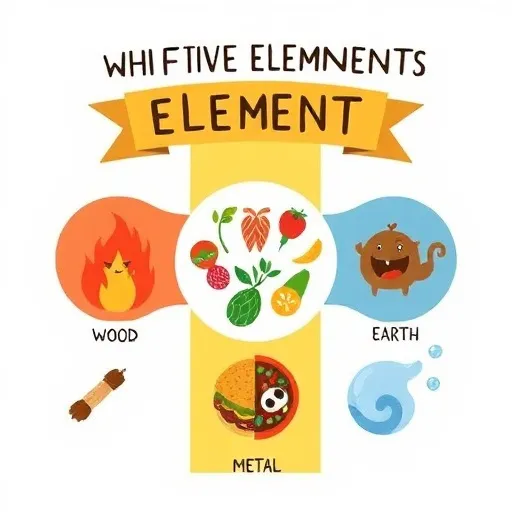
Five elements food b
What Are the Five Elements, Really?
So the five elements cooking and food balancing framework comes from traditional Eastern philosophy, and what it does is map the natural world onto five big categories: Wood, Fire, Earth, Metal, and Water. Here's the key thing to understand — each one represents a quality of energy, not a literal substance sitting on your plate. Wood is expansive and upward-moving. Fire is hot and transforming. Earth is stable and nourishing. Metal is contracting and refined. Water is cool, deep, and fluid. That's the whole foundation of five elements cooking and food balancing, and honestly, once it clicks, you can't unsee it.
In the kitchen, every single ingredient carries one of these qualities. A chili pepper is unmistakably Fire. A cucumber is Water. A bowl of millet porridge is Earth at its most comforting. This is where five elements cooking and food balancing stops being abstract theory and becomes something you can actually use. Once you start thinking this way, food stops being just calories and macros — it becomes a language you can use to adjust how you feel. That shift in perspective is the heart of five elements cooking and food balancing.
The Generating Cycle and Supportive Relationships in Five Elements Cooking and Food Balancing
Wood feeds Fire. Fire creates Earth (ash). Earth births Metal. Metal carries Water. Water nourishes Wood. This generating cycle is the backbone of five elements cooking and food balancing. When you plate a meal, you're not just combining flavors — you're layering supportive relationships between ingredients and their energetic qualities. A Wood-forward dish like a fresh green salad pairs beautifully with a Fire element like grilled vegetables, because Wood feeds Fire. The meal feels coherent rather than random. That's five elements cooking and food balancing doing its quiet work behind the scenes.
The Controlling Cycle and Practical Food Balancing with Cooling and Warming Ingredients
There's also a controlling cycle: Water cools Fire, Fire melts Metal, Metal cuts Wood, Wood breaks Earth, Earth absorbs Water. This is where five elements cooking and food balancing gets genuinely practical. If you've had a stressful week and you're feeling irritable and overheated — classic excess Fire — you don't pile on more spicy food. You reach for Water element ingredients: watermelon, cucumber, light broths, steamed greens. You use the controlling relationship deliberately. That's five elements cooking and food balancing in action, and it's surprisingly intuitive once you've practiced it a few times.
Why Seasonal Eating and Personalized Nutrition Make Five Elements Cooking and Food Balancing Matter More Than Ever in 2026
Here's the thing about modern eating: we've gotten very good at optimizing for single variables. High protein. Low carb. Gut-friendly. Anti-inflammatory. All useful, but none of them ask the question that five elements cooking and food balancing asks — is this meal appropriate for this person, right now, in this season?
That contextual question is exactly what a growing number of nutrition professionals and functional health platforms are circling back to. Personalized eating is no longer a luxury — it's the baseline expectation. And five elements cooking and food balancing is one of the oldest personalization systems on the planet. What's changed in 2026 is the tooling. Smart kitchen apps now suggest ingredient swaps based on your logged mood and energy levels. Continuous glucose monitors have made people far more aware of how individual foods land in their bodies. And a wave of contemporary practitioners have translated classical five element theory into language that fits a modern lifestyle. You no longer need to grow up in a traditional household to use five elements cooking and food balancing. You just need curiosity and a decent cutting board.
Getting to Know Each Element and Its Seasonal Ingredients in Five Elements Cooking and Food Balancing
Let's go element by element. For each one, I'll cover the associated season and organ system, the flavor profile, the ingredients to know, and the signs you might have too much or too little. This is the part of five elements cooking and food balancing that people find most useful in daily life.
Wood Energy, Sour Flavors, and Spring Detox in Five Elements Cooking and Food Balancing
Season: Spring. Flavor: Sour. Qualities: Upward, expanding, renewing. Wood governs growth and flexibility. In the body, tradition associates it with the liver and gallbladder — the systems that keep things moving and processed. When Wood energy is balanced, you feel motivated and adaptable. When it's stuck, you feel irritable, tense, and prone to eye strain or headaches. Wood-forward ingredients include leafy greens, sprouts, citrus, vinegar, sauerkraut, and anything fermented and tangy. Fresh herbs like basil and dill carry a distinctly Wood-like lift. This is a core piece of five elements cooking and food balancing.
- Signs of excess Wood: irritability, tension headaches, clenching your jaw
- Signs of deficient Wood: sluggishness, lack of motivation, difficulty starting things
- Balancing move: if Wood is stuck, add a little sour flavor — a squeeze of lemon over steamed greens — and pair with Earth elements like sweet potato to keep it from overreaching
Spring is Wood's season, which is why lighter, greener, slightly sour meals feel so right after a heavy winter. Your body is literally asking for it, and five elements cooking and food balancing gives you a framework to respond.
Fire Energy, Bitter Flavors, and Summer Cooling in Five Elements Cooking and Food Balancing
Season: Summer. Flavor: Bitter. Qualities: Hot, transforming, radiant. Fire rules the heart and small intestine in traditional mapping. It's the element of joy, connection, and circulation. Balanced Fire means warmth and vitality. Excess Fire shows up as restlessness, insomnia, heartburn, and a flushed, overheated feeling. Fire ingredients are the ones that bring heat and bitterness: chili, ginger, garlic, coffee, dark leafy bitter greens like radicchio and dandelion, bitter melon, and cocoa. Five elements cooking and food balancing treats these as potent tools, not just flavor boosters.
- Signs of excess Fire: trouble winding down, hot flashes, acid reflux, a racing mind at night
- Signs of deficient Fire: feeling cold, low mood, poor circulation
- Balancing move: when Fire runs hot, cool it with Water element foods — cucumber, melon, mint, light broths — and reduce the bitter and spicy load for a few days
Here's a mistake I see constantly: people who feel burned out and wired reach for more coffee and spicy food to push through. That's adding Fire to Fire. The better play in five elements cooking and food balancing is to nourish with Water and Earth instead.
Earth Energy, Sweet Root Vegetables, and Grounding Meals in Five Elements Cooking and Food Balancing
Season: Late summer. Flavor: Sweet (the natural sweetness of whole foods, not refined sugar). Qualities: Stable, nourishing, centering. Earth is the element of digestion itself — the spleen and stomach in traditional terms. It's the anchor of the whole system. When Earth is strong, you feel steady, satisfied, and able to handle life's wobbles. When it's weak, you get bloating, fatigue after meals, brain fog, and a tendency to crave sugar. Earth ingredients are the grounding staples: sweet potato, squash, millet, rice, oats, carrots, pumpkin, dates, and cooked root vegetables of all kinds. Five elements cooking and food balancing leans heavily on these for stability.
- Signs of excess Earth: heaviness, sluggishness, feeling overly attached to comfort foods
- Signs of deficient Earth: poor appetite, loose stools, fatigue, bruising easily
- Balancing move: a warm bowl of congee or millet porridge with a small amount of cooked squash is the classic Earth-building meal — simple, soft, and deeply settling
If you're someone who skips breakfast and gulps down a cold smoothie on the way out the door, your Earth energy probably needs attention. Warm, cooked, regular meals are the remedy. This is one of those food balancing principles that nearly everyone notices a difference from within a week — five elements cooking and food balancing at its most practical.
Metal Energy, Pungent Autumn Foods, and Respiratory Health in Five Elements Cooking and Food Balancing
Season: Autumn. Flavor: Pungent. Qualities: Contracting, crisp, refined. Metal governs the lungs and large intestine. It's the element of boundaries, structure, and letting go — both physically and emotionally. Balanced Metal means clear breathing, good elimination, and the ability to release what no longer serves you. Weak Metal shows up as frequent colds, dry skin, allergies, and a sense of unresolved grief or holding on. Metal ingredients include white and pungent foods: daikon radish, white mushrooms, pears, apples, cauliflower, garlic, onion, horseradish, and mildly spicy aromatics like white pepper. Five elements cooking and food balancing uses these to support respiratory and immune function.
- Signs of excess Metal: excessive rigidity, dry cough, constipation
- Signs of deficient Metal: easy catching of colds, shallow breathing, skin issues
- Balancing move: in autumn, lean into pears and daikon — both are classic Metal nourishers — and add gentle pungent aromatics to support lung function
Autumn meals in the five elements cooking and food balancing tradition tend to be slightly more contracted and warming: roasted root vegetables, soups with pear and ginger, dishes that feel crisp and clean rather than heavy.
Water Energy, Salty Sea Vegetables, and Winter Restoration in Five Elements Cooking and Food Balancing
Season: Winter. Flavor: Salty. Qualities: Cool, deep, fluid, storing. Water corresponds to the kidneys and bladder — the body's deep reserves and filtration system. It's the element of will, endurance, and rest. Balanced Water means deep energy, good hydration, and resilience. Depleted Water shows up as lower back ache, fatigue that sleep doesn't fix, frequent urination, and a feeling of running on empty. Water ingredients include sea vegetables, miso, beans, black sesame, walnuts, bone broth, and foods with a naturally salty or deeply savory profile. Five elements cooking and food balancing treats these as the deepest form of nourishment.
- Signs of excess Water: puffiness, water retention, feeling heavy and cold
- Signs of deficient Water: exhaustion, lower back weakness, dry mouth at night
- Balancing move: in winter, slow-cooked beans, broths, and a small amount of naturally salty seasoning rebuild the reserve. Don't overdo the salt — just enough to support, not flood
Winter is when most people under-nourish their Water element without realizing it. Cold salads and iced drinks in January are working against the season. Warm, slow-cooked, deeply savory meals are working with it — and five elements cooking and food balancing makes that instinct explicit and actionable.
How to Actually Practice Five Elements Cooking and Food Balancing at Home
Theory is nice. Practice is better. Here's a simple workflow you can use whenever you're planning a meal, and it's the same workflow any nutritional professional would walk you through.
Checking the Season and Calendar for Seasonal Eating in Five Elements Cooking and Food Balancing
Your first filter is the calendar. In spring, lean Wood — greens, sprouts, light sour notes. In summer, moderate Fire with cooling Water. In late summer, build Earth with sweet root vegetables and grains. In autumn, support Metal with pears, daikon, and pungent aromatics. In winter, restore Water with beans, broths, and sea vegetables. Seasonal eating isn't a trend; it's the original food balancing system, and five elements cooking and food balancing has been doing it for centuries.
Assessing Your Body's Current State for Personalized Food Balancing
Now overlay your current condition. Are you wired and overheated? Cool things down with Water. Are you cold and depleted? Warm and build with Earth and Fire. Are you foggy and heavy? Lighten up with Wood and Metal. This is the personalization layer that makes five elements cooking and food balancing so effective — the same meal isn't right for everyone on the same day, and that's the whole point.
Building a Balanced Plate with Diverse Ingredients and Cooking Methods
A well-balanced plate in this framework usually has an Earth base (a whole grain or starchy vegetable — rice, millet, sweet potato, squash), a Wood or Metal vegetable (something green and fresh, or something crisp and pungent), a Fire or Water accent (a warming spice, a fermented condiment, a savory broth, or a cooling herb), and a moderate portion of protein (beans, fish, eggs, or meat, chosen with the season in mind). Notice that most of these plates naturally end up colorful, varied, and mostly plant-based. That's not a coincidence — five elements cooking and food balancing has always favored diversity over restriction.
Adjusting Flavors and Tastes for Effective Five Elements Cooking and Food Balancing
- Too much heat or spice in your day? Add sour (Wood) or bitter (Fire-modulating) or cool (Water) elements
- Feeling scattered and ungrounded? Add naturally sweet (Earth) and savory (Water) elements
- Feeling heavy and congested? Add pungent (Metal) and slightly bitter (Fire) elements
- Feeling dry and depleted? Add moistening (Water) and gently sweet (Earth) elements
This is where a trained nutritional professional can be genuinely helpful. An experienced practitioner can look at your patterns over weeks, not just one meal, and spot imbalances you'd miss on your own. Five elements cooking and food balancing works best with that kind of patient observation.
Common Mistakes and Pitfalls in Five Elements Cooking and Food Balancing
Avoiding Rigid Rules and Perfectionism in Five Elements Cooking and Food Balancing
The framework is a lens, not a law. If you're at a birthday dinner and there's cake, eat the cake. Five elements cooking and food balancing works over weeks and seasons, not single meals. Rigidity is actually a Metal imbalance — the very thing the system warns against.
Tracking Your Own Feedback and Mood for Smarter Food Balancing
You are the final authority on what works for your body. Log how you feel after meals for two weeks. You'll start to notice patterns — maybe dairy makes you foggy, or you sleep better on nights you eat cooked rather than raw. That personal data is more valuable than any chart. Several wellness platforms in 2026 make this easy with simple mood and digestion tracking, but a notebook works just as well. This feedback loop is essential to five elements cooking and food balancing.
Keeping Meals Simple Instead of Overcomplicating Food Balancing
You don't need five elements represented at every sitting. Most meals have two or three dominant qualities and that's plenty. A bowl of miso soup with rice and steamed greens is Earth, Water, and Wood in one — perfectly balanced without a spreadsheet. Five elements cooking and food balancing should feel intuitive, not exhausting.
Prioritizing Hydration and Rest Alongside Ingredient Pairing
No amount of clever ingredient pairing compensates for chronic dehydration and poor sleep. Water element balance is as much about drinking enough and resting enough as it is about eating seaweed. Food balancing is one pillar, not the whole building.
What the Research and Contemporary Wellness Practice Say About Five Elements Cooking and Food Balancing
It's worth being clear-eyed here: the five elements framework is a traditional system, not a clinical protocol. But that doesn't mean it's without value — far from it. A growing body of work on seasonal eating, dietary diversity, and the gut-brain connection echoes many of its core recommendations. Eating a wide variety of whole foods, favoring what's in season, cooking more meals at home, and paying attention to how food makes you feel — these are all well-supported practices that the five elements model organizes into a coherent, memorable whole. Five elements cooking and food balancing gives structure to instincts we already have.
Contemporary wellness industry leaders and functional nutrition platforms have increasingly adopted this kind of seasonal, personalized approach in their programming. Several integrative health centers now offer five-element-informed meal planning alongside conventional nutrition counseling. And a number of culinary educators have built courses around seasonal cooking with an eye to these principles. The system is being translated, not replaced, and that translation is making five elements cooking and food balancing accessible to a much wider audience. One caution: if you have a diagnosed medical condition, food is not a substitute for appropriate care. Use this framework as a complement to, not a replacement for, qualified guidance.
A Simple Weekly Rhythm and Practical Food Balancing Schedule to Try
If you want to dip a toe in, here's a low-effort way to start. Pick one element per day to emphasize, and let the rest follow naturally. This is five elements cooking and food balancing in its simplest, most doable form.
- Monday — Wood: start the week with greens, sprouts, and a little lemon. Think upward energy
- Tuesday — Fire: bring in some warmth and bitters. Add ginger to your tea, roast some radicchio
- Wednesday — Earth: midweek grounding. Root vegetables, whole grains, a warm bowl of something
- Thursday — Metal: crisp and clean. Pears, daikon, a pungent dressing, light roasting
- Friday — Water: deep nourishment. Beans, broth, sea vegetables, slow cooking
- Weekend: freestyle. Cook what sounds good and pay attention to how it lands
After a month of this, most people report that they've started to intuit which element their body is asking for — and that's the real goal. The framework fades into the background and what remains is a felt sense of what to eat and when. That's when five elements cooking and food balancing becomes second nature.
Final Thoughts on Five Elements Cooking and Food Balancing for Seasonal Wellness
Five elements cooking and food balancing isn't about restriction or following an obscure rulebook. It's about paying attention — to the season, to your body, to the way a meal lands. It's a centuries-old framework that happens to line up remarkably well with what modern wellness is rediscovering: that personalized, seasonal, whole-food eating is the most sustainable approach there is. Start small. Pick one meal this week and ask yourself: what season am I in, what state am I in, and what does this plate need? You don't have to get it perfect. You just have to start noticing. The balancing follows. And honestly? A bowl of warm millet with roasted squash, steamed greens, and a squeeze of lemon sounds pretty good right now — Earth, Wood, and a touch of Fire, all in one. That's five elements cooking and food balancing in action. Simple, seasonal, and deeply satisfying.